
Trucking
Trailer Seal Procedures: A Practical Guide for Shippers
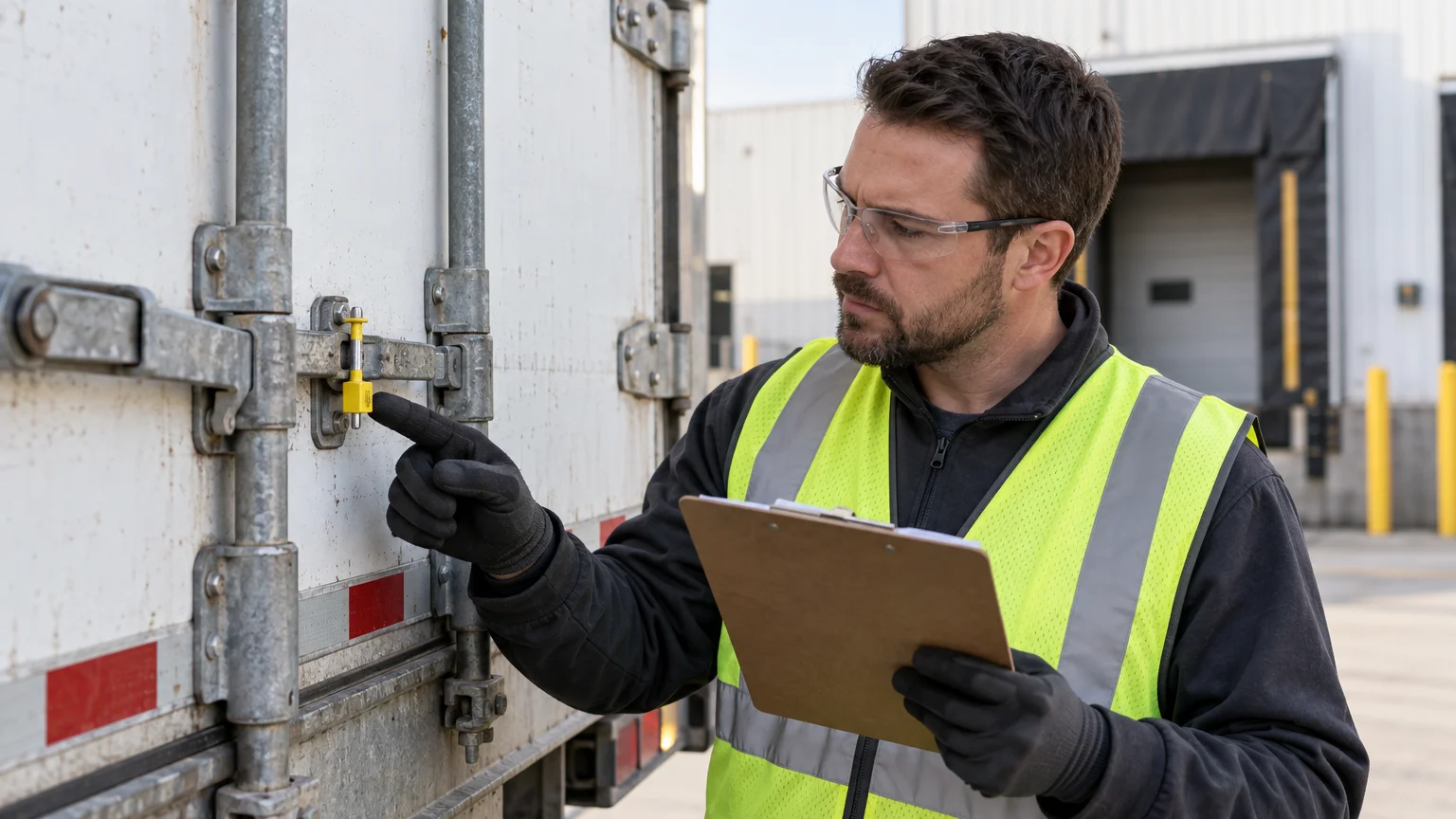
A trailer seal is a small part of a truckload shipment, but it supports an important question: Has the trailer been opened since loading? When used with accurate records and clear handoffs, seals help shippers, carriers, and receivers track access to freight.
A seal is not a substitute for a sound trailer, secure doors, or proper cargo securement. It also does not prove that the freight inside is complete or undamaged. Its value comes from a consistent process: apply it correctly, record its identifier, verify it at delivery, and document any authorized changes.
Decide on Seal Requirements Before Pickup
Do not wait until a loaded trailer is ready to leave to determine who supplies the seal or which type the receiver expects. Include seal instructions in the shipment requirements shared with the carrier and warehouse.
Confirm these details:
- Whether the shipment requires a seal and which type is acceptable.
- Who supplies, applies, and records the seal.
- Where the seal number must appear in shipment paperwork.
- Who may authorize removal or replacement.
- Whom to contact if the seal is missing, damaged, or mismatched.
Requirements can vary by customer, cargo, route, and applicable security program. Avoid assuming that a basic plastic seal meets every shipment's requirements. If a customer specifies a particular standard, verify compliance before loading.
Apply the Seal After Loading Is Complete
Before sealing, warehouse personnel should finish loading, confirm the shipment count through the agreed process, and complete required cargo securement. Trailer doors and locking hardware should be checked for obvious damage or problems that could prevent proper closure.
The designated person should then apply the seal to the appropriate hardware according to the seal manufacturer's instructions and the shipment's security procedure.
Keep the sequence simple:
- Complete loading and cargo securement.
- Close and latch the trailer doors properly.
- Apply the specified seal.
- Check that the seal is engaged as intended.
- Record its identifier before releasing the trailer.
Never open loaded trailer doors casually to resolve a paperwork question. Freight may have shifted against the doors, creating an injury risk. Follow the facility's safe opening procedure whenever access is necessary.
Record the Identifier, Not Just “Sealed”
A notation that a trailer is “sealed” provides less useful information than the actual seal number. Record the complete identifier clearly on the bill of lading or other agreed shipment record, along with the trailer number.
If the workflow allows photographs, capture a readable view of the seal and enough surrounding hardware to show where it was installed. Follow facility photography rules and protect shipment information when sharing images.
Before departure, reconcile discrepancies between the physical seal and the paperwork. A transposed digit can create confusion at delivery even when no unauthorized access occurred.
For a trailer loaded and sealed before the driver arrives, the driver should follow the agreed verification process. Paperwork should distinguish between observing a seal and personally verifying the freight inside.
Establish a Process for Authorized Seal Changes
Some shipments require a trailer to be opened before final delivery. An official inspection, authorized freight access, or a multi-stop delivery may make seal removal necessary.
When that happens, preserve the chain of custody rather than simply replacing the seal and continuing without a record. Document:
- The original seal number.
- The reason, location, and time of removal.
- Who removed or authorized removal, when available.
- The replacement seal number and who applied it.
Follow lawful inspection directions and communicate the change to the appropriate shipment contacts. Never represent a replacement seal as the original. For multi-stop freight, agree in advance on how each opening and resealing will be recorded.
Verify Before Opening at Delivery
The receiver should compare the physical seal with the shipment record before cutting it. Check for a missing seal, an unreadable identifier, visible damage, or a number that does not match the documented history.
If something is wrong, pause routine opening and contact the designated parties. Preserve relevant records and photographs where permitted. Follow the shipment's escalation instructions rather than assuming either theft or a harmless clerical error.
Once authorized to proceed, use safe door-opening practices and inspect the freight through the normal receiving process. An intact seal does not eliminate the need to document shortages or visible damage.
Make Seal Control Part of Every Handoff
The most useful seal procedure is one everyone can follow. Give warehouse teams, drivers, dispatchers, and receivers clear responsibilities and accessible contact information. Consistent records make exceptions easier to investigate and reduce avoidable confusion.
Planning a dry van truckload shipment? Visit Double Diamond Transport's Contact page to request a quote and share your shipment's seal requirements.