
Trucking
Dry Van Condensation: How to Reduce Moisture Risk in Freight
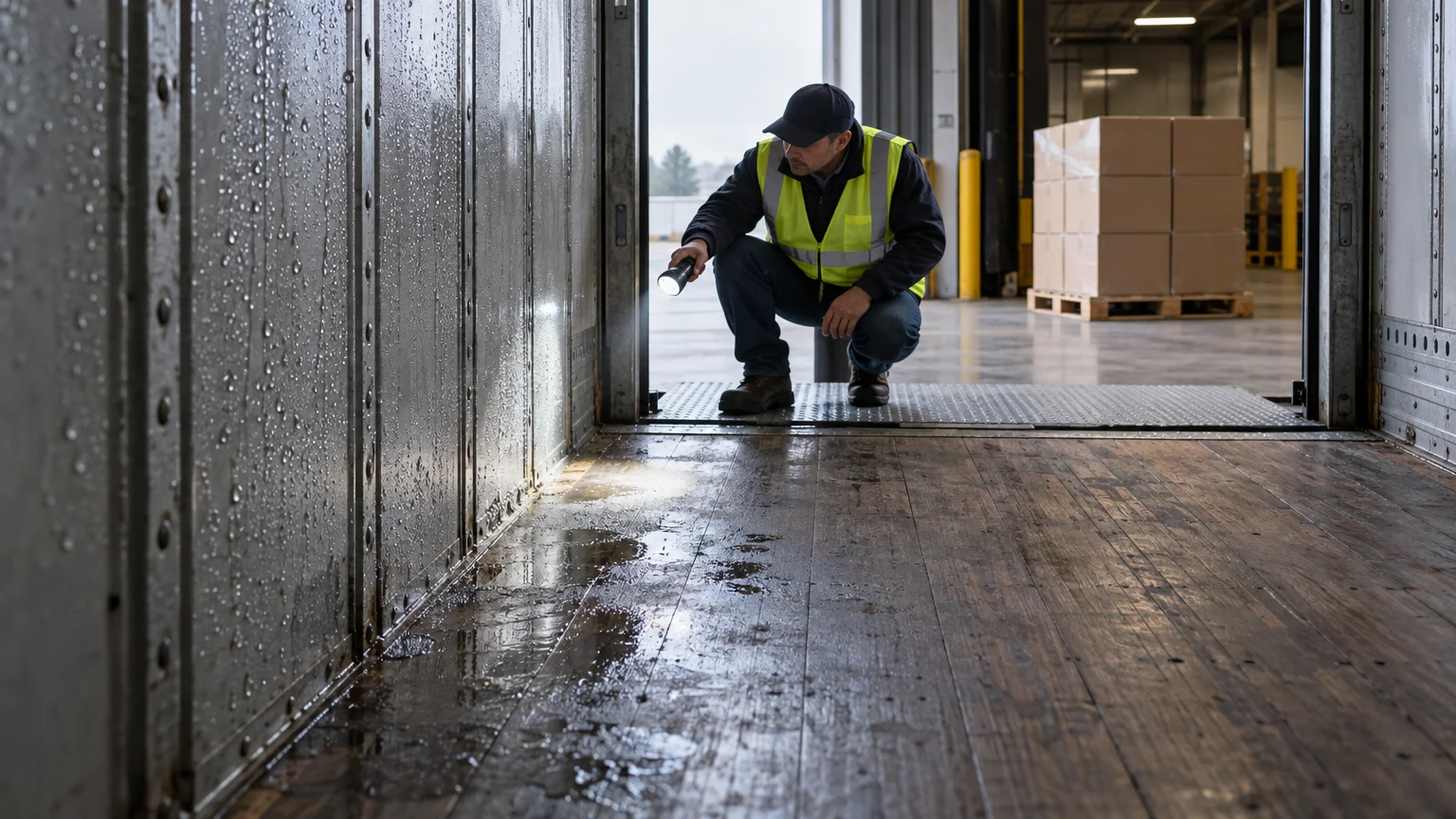
A dry van trailer protects freight from direct exposure to rain and road spray, but it does not provide a controlled indoor environment. Moisture can still enter through leaks, arrive with cargo and packaging, or condense when surfaces become cold enough.
For shippers moving paper products, metal parts, packaged food, or other moisture-sensitive goods, that distinction matters. A practical moisture-control plan starts before loading and continues through delivery.
Understand Condensation Versus a Trailer Leak
Condensation occurs when a surface is at or below the dew point of the surrounding air. Inside a trailer, humid air can contact colder walls, roofing, or freight and leave droplets behind. Temperature changes during transit or unloading can create those conditions even when a trailer has no leak.
A leak is different: water enters through a damaged roof, seam, door seal, or another opening. Both problems can produce wet packaging, and visible water alone does not establish the cause.
Instead of immediately assigning blame, document where the moisture appears, the condition of the trailer, and the timing of the discovery. Those observations help guide a more useful investigation.
Decide Whether a Standard Dry Van Fits the Product
Start with the product’s requirements rather than assuming all enclosed trailers offer the same protection. A standard dry van does not actively maintain temperature or humidity.
Ask the manufacturer or product owner:
- What temperature and humidity exposure can the product tolerate?
- Could condensation cause corrosion, staining, spoilage, or packaging failure?
- Does the product need a moisture barrier or another specialized packaging method?
- Are there handling instructions for moving between cold and warm environments?
If the product requires controlled conditions, discuss suitable transportation options before booking. Packaging alone should not be assumed to compensate for an unsuitable transportation environment.
Keep Moisture Out of the Load
A trailer can be clean and dry at arrival while the shipment itself introduces moisture. Damp pallets, rain-exposed cartons, and freight staged near an open dock can all contribute.
Before pickup, keep sensitive goods in a protected staging area. Check pallets and outer packaging for visible dampness, water stains, softened cardboard, or other signs of exposure. Escalate questionable freight to the person responsible for product quality before loading it.
Avoid wrapping visibly wet goods and treating the wrap as a solution. A barrier may trap existing moisture instead of protecting the product.
When temperature differences are significant, follow product-specific instructions for acclimation. There is no single waiting period that works for every material, package, and facility.
Inspect the Trailer Before Loading
A preloading inspection cannot guarantee a moisture-free shipment, but it can identify obvious reasons to pause.
Check accessible areas for:
- Standing water, wet flooring, or active drips.
- Visible roof or wall damage.
- Damaged door seals or doors that do not close properly.
- Damp debris or residue from a previous load.
Follow facility safety procedures during the inspection. Do not climb onto the trailer or attempt an improvised leak test.
If the trailer is wet or damaged, stop and contact the carrier before loading. Record the condition with photographs and explain what needs review. Loading first can make both prevention and later investigation more difficult.
Match Packaging to the Moisture Risk
Stretch wrap helps stabilize a pallet, but ordinary stretch wrapping is not automatically a sealed moisture barrier. Gaps, punctures, and the way the pallet is wrapped can leave paths for humid air or water.
For sensitive products, ask a packaging specialist about appropriate barriers, liners, corrosion protection, or desiccants. Desiccants absorb moisture, but their usefulness depends on the packaging system, expected exposure, and correct sizing. Loose packets added without a packaging plan are not a substitute for that assessment.
Make sure any moisture-protection materials are compatible with the product and its handling requirements. Keep labels and inspection points accessible where needed.
Prepare the Receiving Team
Moisture risk does not end when the truck reaches the dock. Cold freight exposed to warm, humid air during unloading may develop condensation.
Share relevant handling instructions with the receiver in advance. When product guidance calls for acclimation before opening protective packaging, make that requirement clear to the receiving team.
If moisture is found, document affected packages, their positions in the load, and visible trailer conditions. Note exceptions on delivery paperwork according to receiving procedures, notify the appropriate contacts promptly, and preserve packaging when safe and practical. Keep observations separate from conclusions about the cause.
Build Moisture Checks Into Shipment Planning
The strongest approach combines suitable equipment, dry staging, appropriate packaging, and clear receiving instructions. No single inspection or packaging material replaces the full process.
Double Diamond Transport is a full truckload and dry van freight carrier based in San Antonio, Texas, serving the United States. Planning a shipment? Visit the Contact page to request a quote and share your freight’s handling requirements.