
Trucking
Drop Trailer vs. Live Load: A Guide for Truckload Shippers
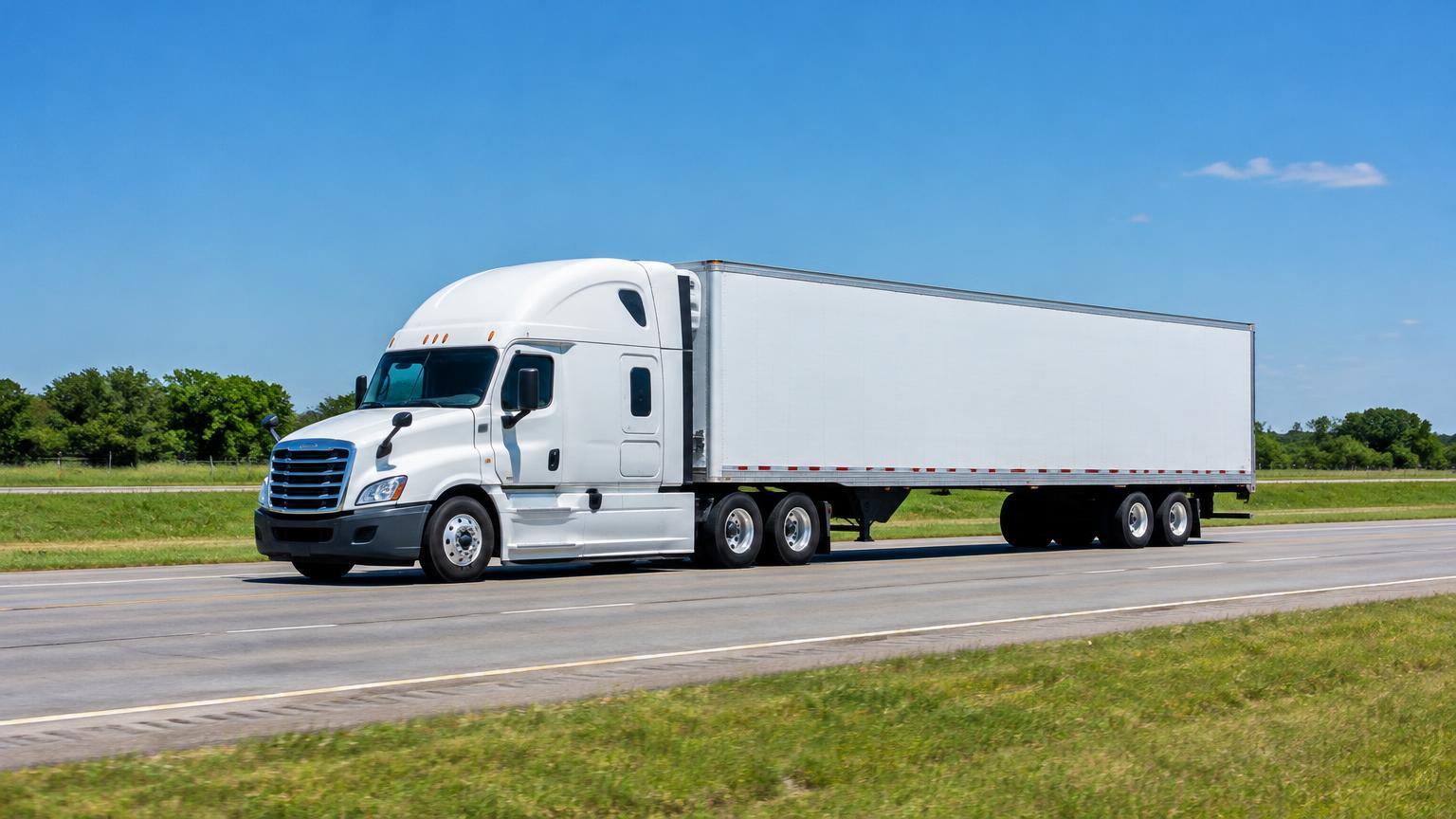
The way a trailer gets loaded can affect warehouse productivity, driver waiting time, and freight readiness. For truckload shippers, choosing between a live load and a drop trailer arrangement is an operational decision—not simply a scheduling preference.
Both approaches can work well for dry van freight. The better fit depends on shipment volume, yard space, loading speed, and the availability of equipment. Here is how to evaluate the options and prepare your facility for either one.
What Is a Live Load?
A live load means the driver stays with the truck and trailer while the shipping facility loads the freight. After loading, the shipment is secured, paperwork is completed, and the driver departs.
This approach keeps the loading process tied to the truck’s arrival. It generally works best when freight is picked, staged, and ready before the scheduled pickup.
A live load may suit facilities that have:
- Occasional or irregular truckload shipments
- Limited space to park trailers
- Predictable loading procedures
- Staff and equipment available at scheduled pickup times
The main challenge is coordination. If production runs late, freight is not staged, or a dock is unavailable, the driver may have to wait. That delay can affect the remaining transportation schedule and may result in charges under the agreed service terms.
What Is a Drop Trailer Arrangement?
In a drop trailer arrangement, a carrier leaves a trailer at a shipper’s facility for loading without the driver remaining there throughout the process. A driver later collects the loaded trailer. Depending on the arrangement, the driver may also leave an empty trailer for a future shipment.
This separates much of the loading work from the driver’s pickup visit. Warehouse teams can load within an agreed window rather than completing the entire process while the driver waits.
Drop trailers may be useful when a facility has:
- Recurring truckload shipping needs
- Secure, accessible trailer parking
- Loading activity spread across multiple shifts
- Variable production completion times
However, drop trailer service requires carrier agreement and equipment availability. It should never be assumed to be included with a standard truckload quote.
Compare Total Operating Impact, Not Just the Rate
Neither approach is automatically cheaper or more efficient. A useful comparison includes transportation terms and the effect on warehouse operations.
For live loads, consider how consistently your team can meet appointments and complete loading. Review whether waiting time comes from labor shortages, staging problems, or dock congestion. A different loading model will not necessarily fix those underlying issues.
For drop trailers, consider the space, equipment, and oversight needed to manage trailers on-site. Discuss trailer usage limits, pickup expectations, and applicable charges with the carrier before committing.
Ask these questions:
- How often do loading delays occur, and why?
- Can the yard safely accommodate parked trailers?
- Who tracks empty, loading, and ready-to-pick-up trailers?
- What happens when a loaded trailer is not ready as promised?
- How will changes in shipment volume be handled?
Clear answers help prevent a flexible arrangement from becoming an unmanaged backlog.
Check Your Facility Before Choosing Drop Trailers
Available parking is only one part of drop trailer readiness. Drivers need room to enter, maneuver, connect to equipment, and leave safely. Trailer placement should not block dock access, emergency routes, or other yard traffic.
Your facility also needs procedures for safe loading and trailer movement. Follow applicable safety requirements and equipment instructions for securing trailers at docks, preventing unintended movement, and supporting uncoupled trailers when necessary.
Establish responsibility for:
- Inspecting trailer condition before loading
- Reporting damage or equipment concerns
- Controlling yard access
- Identifying trailers by trailer number
- Confirming that loading is complete before pickup
Do not rely on a trailer’s location alone to indicate its status. A trailer parked in the usual pickup area may still be awaiting paperwork or a final freight check.
Make Live Loads More Predictable
If live loading fits your operation, focus on readiness before arrival. Confirm the freight count, packaging, shipment weight, and loading plan early enough to resolve problems before the truck reaches the gate.
Assign a clear check-in process and communicate any access requirements in advance. Keep shipping paperwork ready, and identify someone who can resolve discrepancies during loading.
If freight will not be ready, notify the carrier promptly. Early communication creates more room to adjust plans than a surprise at the dock.
Agree on the Handoff Process
Both loading methods need a clear handoff between shipper and carrier. Confirm who communicates readiness, how shipment details are verified, and what documentation accompanies the load.
For drop trailers, specifically agree on when a trailer is considered ready for collection and how that status is communicated. For live loads, confirm appointment expectations and procedures for reporting delays. In either case, document seal information when required and communicate changes to shipment details before departure.
Double Diamond Transport is a full truckload and dry van freight carrier based in San Antonio, Texas, serving the United States. Visit the Contact page to request a freight quote and discuss your facility’s loading needs.